
The Gap Between Aspirational and Relatable (And Why You’re Stuck There)
You can't be what you don't see

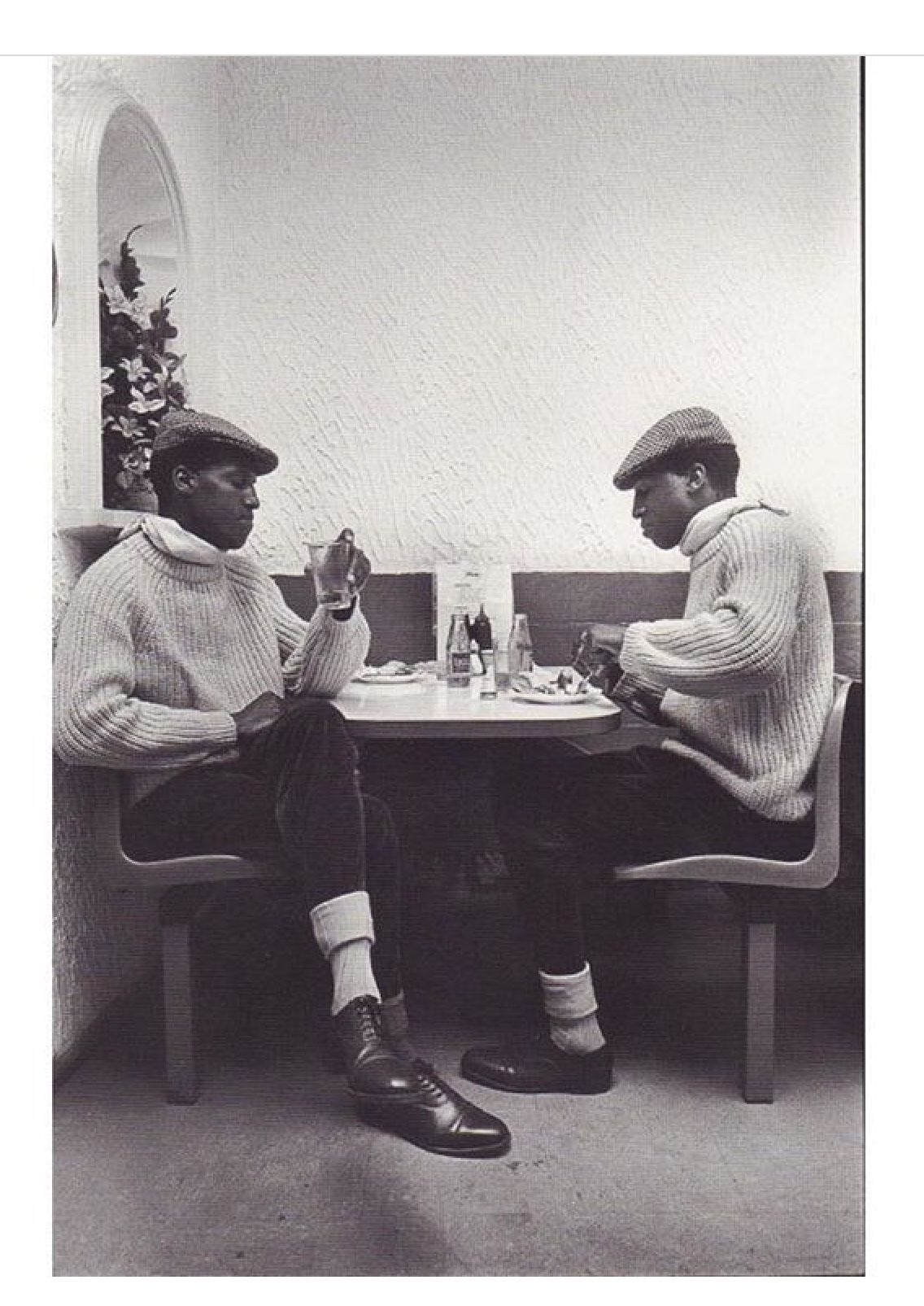
I’ve been thinking about why so many people feel stuck when it comes to developing their personal style.
They consume fashion content constantly. They follow influencers. They save posts. They want to dress better. They have the desire.
But something’s not clicking. They can’t figure out how to translate what they’re seeing into something that works for their actual life.
And I think I know why.
There’s a gap between aspirational fashion content and relatable fashion content. And most people are stuck in that gap, not realizing that’s the problem.
Let me explain.
The Two Camps of Fashion Content
When you scroll through fashion content, whether on TikTok, Instagram, Pinterest, or elsewhere, it generally falls into two categories.
Aspirational Content: This is the beautiful stuff. The editorial looks. The designer pieces. The perfectly styled outfits, set against perfect lighting, with bodies in ideal settings.
It’s inspiring. It’s gorgeous. It makes you want to screenshot and save.
But it also feels... impossible. Unattainable. Not for you.
The budgets are different. The bodies are different. The lifestyles are different. The contexts are different.
You look at it and think: “That’s beautiful, but that’s not my life.”
Relatable Content: This is the accessible stuff. Real people. Real budgets. Real bodies. Real lives.
It’s comforting. It’s achievable. You could actually do this.
But it’s also... not pushing you forward. It’s not inspiring. It doesn’t show you what’s possible. It’s just showing you what’s safe.
You look at it and think: “I could do that, but is that really where I want to be?”
The Gap
Here’s the problem: most fashion content exists at one extreme or the other.
It’s either so aspirational it feels unreachable. Or so relatable that it doesn’t inspire growth.
And the space between them; the space where something is both elevated AND achievable, both aspirational AND relatable—that’s where most people need to be. That’s where style actually develops.
But that content is rare. That bridge is hard to find.
So people get stuck. They’re inspired by things they can’t do. Or they’re doing things that don’t encourage them. And they can’t figure out how to move from where they are to where they want to be.
Because they haven’t seen the bridge, they haven’t seen someone show them: “Here’s how you get from relatable to elevated. Here’s what aspirational looks like on your budget, your body, your life.”
And here’s the thing: you can’t be what you don’t see.
Why Seeing It Matters
This isn’t just a lovely saying; it’s literally how your brain works.
If you’ve never seen someone with your body type style something a certain way, your brain doesn’t register it as an option. It’s not in your realm of possibility.
If you’ve never seen elevated style on someone with your budget, you assume elevated style requires money you don’t have.
If you’ve never seen someone who lives like you dress in ways that feel aspirational, you assume aspiration isn’t for people like you.
Your brain needs visual references. It needs to see something before it can imagine you doing it.
That’s why representation matters. Not just politically. Practically.
When you see someone who looks like you, lives like you, has resources like you—and they’re doing something elevated, something that pushes beyond just “relatable”—your brain goes: “Oh. That’s possible. I could do that.”
Without that reference, you stay stuck. Because you literally can’t envision the path from where you are to where you want to be.
My Own Experience With This
I’ve felt this gap personally.
Before the influx of fashion and style influencers we have now, I found myself in a peculiar place. I knew what I wanted to wear based on how I saw others dress in real life—at fashion shows, trade shows, and places I would usually be present. I was understanding what I wanted my style to be.
But I was also shy. Not happy with my body. Stuck on wanting to lose weight. Mentally, I wasn’t in the right space.
And here’s what I realize now: the majority of the time, it’s less about how we want to dress or acquiring the pieces. It’s mostly about how our body feels to us, or where we are at mentally. Sometimes we find ourselves in a space that we no longer want to be in; however, we’re unsure how to move forward. The idea of change can feel unsettling and scary, but once we take small steps into our new beginnings, it begins to make sense.
The minute I got my weight to where I wanted it to be, I eventually understood how I wanted to dress. It clicked.
But even then, I hadn’t seen someone with my aesthetic, my lifestyle, my context. Granted, this was before the social media boom. There wasn’t an endless amount of content to scroll through. I was piecing together my style from real-life observations and a few style icons I admired.
Now, with social media, I do see people who similarly dress or have similar aesthetics to me. And it clicked even more—what I wanted my personal style to be. Most importantly, I took a few points from people I consider my style icons and formed them into my own.
That’s the power of seeing it. Even just seeing pieces of it. It gives you permission and direction.
And on the flip side, I’ve realized that by sharing my own style, I might be that bridge for someone else. Someone who needs to see elevated minimal style on someone who’s not wearing head-to-toe designer. Someone who needs to see quality pieces mixed with basics. Someone who needs to see that aspirational doesn’t require a completely different life.
That’s why I create content. That’s why I write these essays. Not just to share what I like. But to be the representation I wish I’d had more of. And to tell the actual truth about things.
The Representation Problem
Let’s be honest about something: fashion content is not diverse.
Most aspirational fashion content features specific body types, skin tones, gender presentations, income levels, and lifestyles.
If you don’t fit those categories, you’re left searching. Trying to translate what you see into something that could work for you. Trying to imagine yourself in contexts you’ve never seen yourself in.
And that’s exhausting. And often, it doesn’t work.
Because you can’t just “imagine” yourself into style. You need to see it. You need references. You need proof that it’s possible.
When you see yourself—your body, your life, your reality—reflected in elevated fashion content, you unlock possibilities. You see paths you couldn’t see before.
When you don’t see yourself, you stay stuck in the gap.
What The Bridge Looks Like
The bridge—the content that’s both aspirational and relatable—looks like this:
Someone who shares your context (body type, budget, lifestyle, values) but shows you the elevated version of that.
Not someone living a completely different life telling you how they dress, but someone living a similar life showing you what’s possible within that life.
Not someone with unlimited resources showing unattainable looks, but someone with real constraints showing how to make intentional, elevated choices anyway.
Not someone with a perfect body showing trendy outfits, but someone with a body like yours showing how to dress it with confidence and style.
That’s the bridge. That’s the content that actually helps people move forward.
And it’s rare. Because most content creators either go full aspirational (chasing aesthetics and lifestyles that aren’t theirs) or stay entirely relatable (not pushing beyond what’s safe and comfortable).
The bridge requires showing both: “This is my real life AND here’s how I’m elevating within it.”
Why You Might Be Stuck
If you’re feeling stuck in your style development, ask yourself:
Are you only consuming aspirational content that feels impossible to translate into your actual life? That might be keeping you inspired, but not moving forward.
Are you only consuming relatable content that doesn’t push you toward growth? That might be keeping you comfortable, but not evolving.
Are you missing the bridge? The content that shows someone like you doing elevated style?
Most people are stuck because they haven’t found their bridge. They haven’t seen the representation they need.
The Practical Solution
Here’s what you can do:
Seek out the bridge actively. Don’t just consume whatever the algorithm serves you. Search for people who share your context but are exhibiting more extreme versions of it. They exist. You just have to look beyond the mainstream.
Diversify your inspiration sources. If everyone you follow looks the same, lives the same, dresses the same—you’re limiting your possibilities. Find individuals who exhibit various expressions of elevated style.
Learn to translate. When you see aspirational content that inspires you, ask: “What’s the principle here? What’s the element I’m responding to? How could I apply that within my context?” Don’t copy directly. Translate the principle.
Create the representation you wish you had. If you can’t find the bridge, be the bridge. Share your style. Show what elevated looks like in your life. Someone else is looking for precisely that.
Trust that seeing it first is part of the process. You’re not behind because you need references. That’s how style development works. You see possibilities. Then you try them. Then you refine.
The Bottom Line
The gap between aspirational and relatable is a real one. And it’s where most people are stuck.
Not because they’re not trying. Not because they don’t want to improve their style. But because they haven’t found the bridge.
If you’re stuck in that gap, know this: the bridge is hard to find, but it exists. And you can find it. Or create it.
Seek out people who share your context but show elevated versions of it. Learn to translate aspirational content into your reality. Trust the process.
And if you can’t find the bridge you need, consider: maybe you’re meant to be that bridge for someone else.
Maybe your style—elevated but authentic, aspirational but relatable—is precisely what someone else needs to see to know it’s possible.
You can’t be what you don’t see. But once you find it—or become it—everything changes.
You stop being stuck between aspiration and relatability.
You start seeing possibilities.
And you start becoming the elevated version of yourself you’ve been wanting to be.
Because you finally saw that it’s possible.
And seeing it? That’s where everything starts.