
Why Everyone's Obsessing Over 'Expensive-Looking' Basics Right Now
How stealth wealth became the new status symbol, and what it says about us

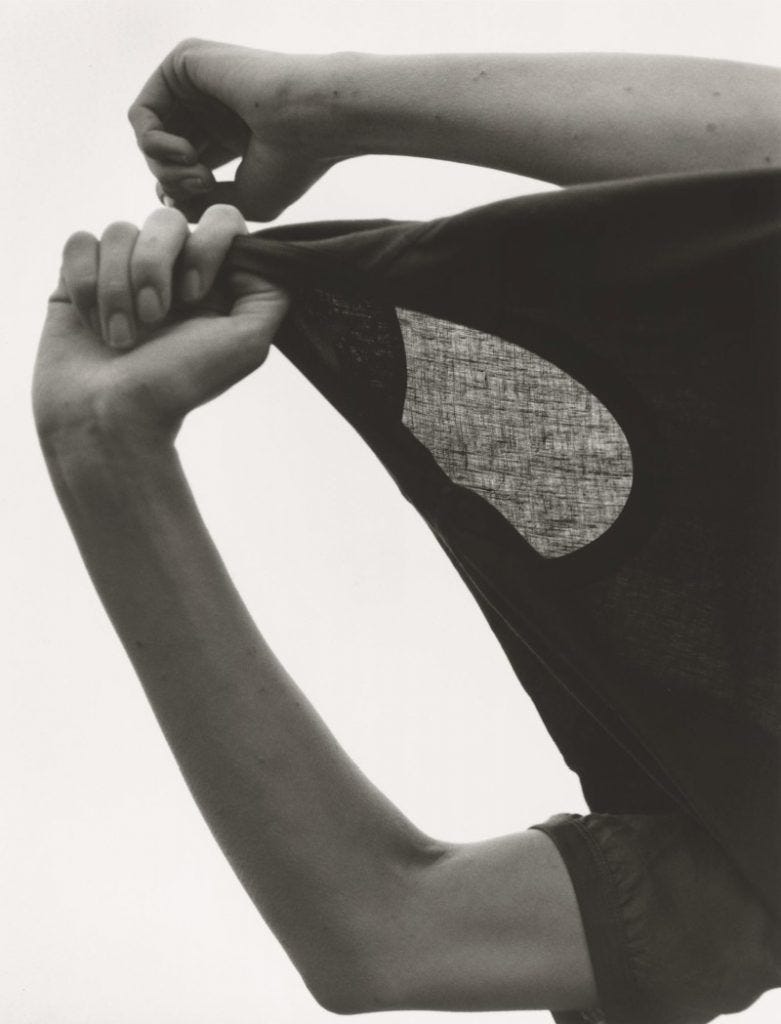
Why Everyone's Obsessing Over 'Expensive-Looking' Basics Right Now
Walk into any coffee shop in a major city and you'll see it: a sea of people dressed in what looks like the most expensive version of nothing. Perfectly tailored white t-shirts that somehow cost $180. Cashmere sweaters in oatmeal. Jeans that fit so well they must have been custom-made. Minimalist gold jewelry that catches the light just so.
We're living through the era of stealth wealth dressing, where the goal isn't to look rich, it's to look like you've transcended the need to try at all. But here's the thing: this "effortless" look requires more effort, research, and often money than any logo-heavy outfit ever did.
The Great Logo Exodus
Remember when a Gucci belt or Louis Vuitton bag was the ultimate flex? That feels almost quaint now. Somewhere between 2020 and now, conspicuous consumption became... conspicuously uncool. The shift happened gradually, then all at once. First, it was celebrities going "logo-free" on the red carpet. Then, Instagram influencers started talking about "quiet luxury." Soon, even fast fashion brands were marketing their plainest pieces as "elevated basics."
The pandemic accelerated this transformation. When we were all stuck at home in sweatpants, we had time to reconsider what actually made us feel good when we got dressed. It turns out, it wasn't the designer logos; it was how the clothes fit, how they felt, how they made us move through the world.
The New Status Symbols
Today's fashion flex isn't about what brand you're wearing, it's about how well you understand fit, fabric, and proportion. It's knowing that a $300 white t-shirt from The Row isn't just expensive because of the label (there isn't really one), but because of the way it skims your body without clinging, the way the cotton feels substantial but not thick, the way it somehow looks crisp even after a full day.
This shift represents a more sophisticated form of status signaling. Anyone can buy a logo t-shirt. But curating a wardrobe of perfectly imperfect basics? That requires knowledge, patience, and yes, often significant financial resources. A well-fitted blazer, the perfect pair of jeans, a cashmere sweater that doesn't pill—these things whisper rather than shout, but they're no less exclusive.
The Internet Made Everyone a Fabric Expert
Social media deserves credit (or blame) for democratizing fashion knowledge. TikTok is full of videos breaking down why some basics cost $20 and others cost $200. YouTube channels dissect the construction of everything from t-shirts to trench coats. Suddenly, everyone knows about French seams and GSM (grams per square meter) and why certain cotton mills produce superior fabric.
This education created a generation of consumers who can spot quality, or at least, who think they can. The result is a market obsessed with finding the "best" version of everything basic. The perfect white button-down becomes a holy grail quest, with entire Reddit threads dedicated to comparing options from Everlane, COS, and Lemaire.
The Psychology of "Effortless" Dressing
There's something deeply appealing about the idea that you could roll out of bed looking effortlessly chic. It suggests a life so well-ordered, so inherently stylish, that you don't need to think about what to wear. You reach for beautiful things because beautiful things are all you own.
Of course, achieving this "effortless" look often requires enormous effort. It means building a wardrobe slowly, investing in pieces that work together seamlessly, and learning what cuts and colors work best for your body. It means saying no to trends and opting for timelessness instead. It's the fashion equivalent of that "natural" makeup look that takes 45 minutes to perfect.
The Economics of Looking Expensive
Here's where things get complicated: looking expensive without spending a fortune has become its own skill set. The rise of brands like COS, Arket, and & Other Stories has made minimalist, well-designed basics more accessible. Fast fashion has improved at replicating not only the look but also some of the construction techniques of luxury brands.
But there's still a clear hierarchy, though it's not always about price. Take Uniqlo, for instance. Their basics might cost $15-30, but the quality often outlasts pieces from brands twice the price. A Uniqlo white t-shirt will hold its shape and color far longer than a similar piece from Zara, even though they're in the same price range. Their U line, designed in collaboration with Christophe Lemaire, proved that thoughtful design and decent construction don't have to be expensive.
The collaboration game has become crucial for achieving elevated basics on a budget. H&M's past partnerships with luxury houses like Maison Margiela and Marni have brought high-fashion minimalism to the masses, albeit temporarily. Target's collaborations with designers like Phillip Lim and Victoria Beckham have produced surprisingly well-constructed basics that look far more expensive than their $20-40 price points. Even Muji, with its obsessive focus on "no-design design," offers basics that feel luxury-adjacent through pure functionality and clean lines.
The key is recognizing that these collaborations aren't just marketing; they often represent genuine attempts to bring better design thinking to accessible price points. When Lemaire designs for Uniqlo, he's not just slapping his name on existing pieces; he's rethinking proportions, fabrics, and construction within mass-market constraints.
This is where smart shopping comes in. The $30 white t-shirt from Zara might look similar to the $180 one from James Perse in photos, but wear them both for a month, and the differences become apparent. The expensive one holds its shape, doesn't get weird marks from washing, and ages gracefully rather than looking tired. However, sometimes the $20 Uniqlo version performs almost as well as the luxury option; it's about knowing where to invest and where to save without compromising the overall effect.
This has created a fascinating dynamic where people are willing to save up for "investment basics," spending more on a plain sweater than they would have on a statement piece just a few years ago. The logic is sound: if you're going to wear something all the time, it makes sense to buy the best version you can afford.
The Paradox of Accessible Luxury
The irony of the expensive basics trend is that it's both more and less democratic than logo fashion. More democratic because it's not immediately obvious what someone spent on their outfit, that perfectly fitted white t-shirt could be from Uniqlo or The Row. Less democratic because achieving the full effect often requires more money overall, not less.
A single designer handbag might have cost $3,000, but you could wear it with a $20 dress from H&M and still make a statement. Building a wardrobe of beautiful basics, the perfect jeans, the ideal sweater, the flawless white shirt, the impeccable blazer, can easily cost more, even without a single logo in sight.
What This Says About Us Right Now
Our obsession with expensive-looking basics reflects something more profound about our cultural state. We want to appear successful, but not materialistic. Sophisticated, but not trying too hard. Put together, but naturally so. It's aspiration dressed up as anti-aspiration.
There's also something soothing about the simplicity of basics in an increasingly chaotic world. When everything feels uncertain, there's comfort in the reliability of a well-made white t-shirt, the dependability of a perfect pair of black pants. These pieces promise to work for any situation, to never let you down, to age gracefully alongside you.
The Future of Quiet Luxury
Will this trend last? Fashion is cyclical, and maximalism always returns eventually. But something feels different about this shift toward basics. It's not just about fashion, it's about a broader cultural movement toward mindfulness, sustainability, and authenticity (or at least the appearance of authenticity).
As more people become educated about quality and construction, it becomes harder to go back to clothes that feel cheap or poorly made. Once you've experienced how a well-fitted blazer can change your entire posture, it's hard to accept one that doesn't.
The obsession with expensive-looking basics isn't just a fashion trend; it's a lifestyle philosophy dressed in deceptively simple clothes. It's the uniform of people who want to signal that they've figured something out about life, that they've moved beyond the need for external validation while still, paradoxically, seeking it in more subtle ways.
In the end, that's the most human thing about this trend: the desire to appear effortless while putting in enormous effort, to seem above fashion while being deeply engaged with it, to look expensive without appearing to care about money at all. It's aspiration wrapped in the most beautiful, perfectly fitted package possible.